
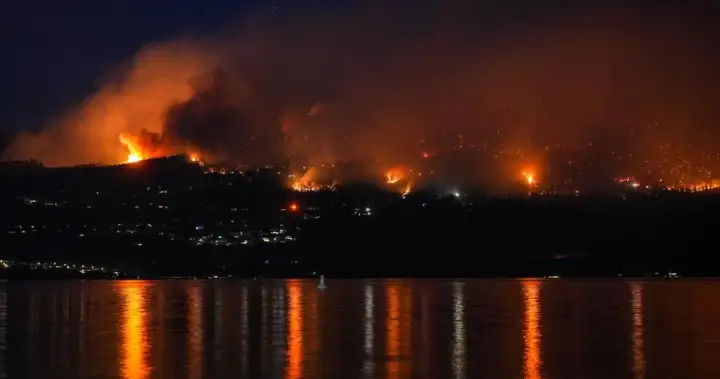
How is the air quality treating you? (in case you read this in the future. It was a 10 on the bad scale from forest fires)
My tai chi teacher sent me this video. One of his University student in the US sent it to him and now I give it to you. It is a Asian way to breathe to clean out the lungs.
Medical disclaimer, not everyone should do this. For sure the speaker talks about starting gently and going from there. Before you start any thing the rules say to say “talk to your primary care physician.”
The whole video is here. It’s 55 minutes and most can be watched at 2x speed. But don’t do the breathing at that…. He’s a good speaker, for many his style will be alternative, but in the hundreds of lectures I have watched on things about Chinese Medicine and culture, he is very normal. The point is the methods can help with the smoke, and lousy breathing in general. Which most people I see have poorbreathing mechanics.
Here are one and two previous articles I have written on how to breath better.
This video features David Wei, a 16th-generation lineage holder for the Wudang San Feng Life Nourishment Sect, teaching a Daoist breathing method called Tu Gu Na Xin at a Stanford University event. The core philosophy is that the quality of your breath is directly related to the quality of your life (8:02-8:11).
Here are the time stamps for the interesting bits on how to do it.
David Wei provides important safety considerations and disclaimers for the Tu Gu Na Xin breathing practice at the following timestamps:
- (1:58 – 2:14): He advises individuals with hypertension, high blood pressure, a history of stroke or heart attack, or any respiratory conditions to proceed with mindfulness and avoid pushing themselves too hard.
- (50:08 – 50:57): He addresses potential challenges such as lightheadedness or dizziness during the practice. He suggests that if these symptoms occur, practitioners should focus only on the tapping aspect rather than the full sequence and keep the holding/patting phase brief to start.
Key Concepts and Practice:
- What is Tu Gu Na Xin? It is a method to “clean and clear” the lungs. The name translates to expelling the old/dead (Tu Gu) and grabbing/taking in the new/life (Na Xin) (6:50-7:16). That sounds cool.
- The Three Basins: David Wei explains that a full, deep breath involves filling three distinct physical “basins” in the body: the lower (belly), middle (ribs), and upper (chest) (17:28-18:05). Which is something almost NO ONE DOES!
Here is the how:
- The Breathing Technique: The practice follows three main steps:
- Tapping: Using fingertips to gently tap the chest while inhaling to help open bronchial pathways (33:02-33:57).
- Patting: Holding a full breath while patting the chest to help dislodge stagnation or “goo” from the lungs (37:14-38:26).
- Polishing: Exhaling in spurts while using broad, soothing movements to massage the lungs and rib-cage (43:57-44:51).
Benefits:
- The practice aims to stimulate circulation and vitality within the body, which David Wei describes as the process of constant change and transformation (53:36-54:42).
- By improving breath capacity, participants can move away from “fight-or-flight” or “freeze” stress responses and toward a calmer, more balanced state (19:18-21:37).
interesting bits I liked also:
Benefits of inhaling through the nose (30:03 – 31:09):
- Filtration: Nose hairs act as a natural filter for the air you breathe.
- Temperature regulation: The nasal pathway warms the air, acclimating it to your body’s temperature before it reaches your lungs.
- Oxygen intake: The interior of the sinuses is lined with porous, soft tissue that can absorb additional oxygen, which helps fuel the brain.
Exhaling through the mouth is preferred because it is difficult to release digestive gases, such as during a burp, through the nose. Exhaling through the mouth allows for the elimination of these gases more effectively than nasal exhalation. (32:05 – 32:32)
Like many things that are simple and can improve health over time, it just has to make it into a habit. If you choose to start, start small, short time intervals and gently.
Hoping for some rain, thanking all the thousands of people working on the fires. From Firefighters to volunteers running errands for relief centres. It really takes a village to get it all done.
For more information talk to me at the clinic.
Be Well,
Ward Willison R.Ac.
allbodycare.com
Kelowna Acupuncture & Other Natural Therapies