
“What will you give up this year to get what you want?” Most New Years resolutions are all about what do you want. But there must be space in your life to put those things in there. I have this and another post coming on how to trim stuff out, so the new stuff can get in.
Life is short here is how to stop losing energy on things that don’t enhance you and focus on things that do.
Letting go — of old habits, relationships and commitments that no longer serve you — is a powerful step toward building the life you want.
1. a. People: Think about who you want to be with, not who you feel obligated to be with. Stop spending time with energy-drainers. You know who they are: the complainers, the critics, the people who leave you feeling worse, not better. It’s OK to step back.
b. Drop obligation-driven gatherings. Do you really need to attend that distant cousin’s funeral or the annual dinner gathering with folks you met on vacation 25 years ago? Spend your time with those who matter most.
It’s OK to say, “We’re out of town that weekend, sorry.”
c. Let go of outdated social circles. People change and priorities shift over time. That’s life. If a group no longer reflects your interests or values, give yourself permission to walk away.
2. Places: Oh, the places you really don’t have to go.
a.Maybe it’s that old restaurant everyone swears by, but you’ve never liked. Your time is better spent discovering a new favorite spot.
b. Reassess your travel list. Does your travel “wish list” reflect who you are today? Cross off places you feel lukewarm about and focus on destinations that spark excitement. Just because your cousin enjoyed a thrilling pilgrimage to Spain doesn’t mean it should be on your travel list.
c. Eliminate unnecessary errands. Have you accumulated thing to do that really help others and not you? Look at the time you spend “running around” and see if you need to.
3. Things: Let it go, let it go, let it go
a. Purge material clutter. If an item doesn’t bring you joy or serve a purpose, it’s time to donate or discard it. That old treadmill collecting dust or clothes you have not worn in five years? Bye-bye. Old clothes you can no longer fit into? Donate them to Goodwill or a local charity.
b. Upgrade outdated gadgets. Let go of that old printer or VCR that’s causing more frustration than it’s worth.
c. Rethink sentimental keepsakes. If it’s packed in a box and hasn’t been touched in years, ask yourself if it’s truly meaningful to you. Really, how many sets of formal-dinnerware do you need when the holiday season approaches? Heather says four, just in case you wanted to know.
4. Activities: You’re hereby granted permission to do only what you really want to do
a. Quit doing what you don’t like to do. Whether it’s attending an uninspiring book club, spring cleaning, yard work or tackling a complex DIY project, focus on what brings you fulfillment. Maybe it’s time to outsource lawn care and other home maintenance chores.
b. Is time to let go of some “friends”. Many studies say those with the most friends do the best. Many studies also say your “friend group” changes every 8 years. Many friends have a season. “We had kids the same age – We used to run together – the “____” got us together.” When that season changes maybe it’s time to meet some new people.
c. Revaluate commitments. Take a fresh look at your volunteer commitments. Are you still on the board of an organization that no longer excites you? How closely do you feel aligned with the organization’s core mission and other volunteers? Time can change our outlook. It’s OK to step down if the fit isn’t right anymore.
5. Spending: Money can buy you happiness, just not always.
a. Avoid unnecessary purchases. Stop buying things you don’t need just because they’re on sale. Ask yourself: Does this add real value to my life?
b. Stop competitive spending. Sending elaborate holiday cards or extravagant gifts to distant acquaintances? Shift your resources to meaningful connections.
c. Frame risk with your age. If you have a 20 year investment horizon, you have a wider variety of risks you can carry. But it gets to a point when buying penny stocks, or the next big thing will lead you down an unrecoverable financial path of ruin.
6. Leisure: Freshen up your fun and distance yourself from social media
a. Abandon uninspiring hobbies. If Wordle or Sudoku now feel tiresome, or that mystery novel doesn’t grip you, move on to something you truly enjoy. Try learning a new language, a physical skill, an instrument, even a new profession.
b. Limit social media scrolling. When you finish an hour of exercise you are tired but normally mentally refreshed. A hour of scrolling you feel tired and normally ________?
c. Pass on activities that don’t help you grow. Whether it’s playing mindless games or sitting through repetitive Stoicism lectures on YouTube, focus on pursuits that challenge and interest you. Give yourself permission to try new things — and to possibly fail, learn and grow.
7. Fitness: Let’s get physical, just be age appropriate. If you get a trainer – get one your age-ish and gender. I say ALLLLLLLLL the time the biggest factor to longevity is luck (which sucks) but the second is fitness.
a. Stop doing un-enjoyably workouts. Find routines that you like and/or have a purpose and suit your current abilities, whether it’s Tai-Chi, qigong, pickle ball or a brisk walk with friends.
b. Let go of comparisons. Your body isn’t the same as it was at 25, and that’s OK. Focus on what helps you now.
c. Ditch harmful habits. Overexertion and ignoring rest days can do more harm than good. Listen to your body’s needs. If you’re entering 2026 with nagging back, knee or hip pain, it won’t get better on its own. Make a plan for action to improve your flexibility, balance and overall health. Heck you could go wild and try acupuncture.
8. Spirituality: This can be a hot topic so I include a decent definition as I see it and you can see it your way.
Spirituality to me is the personal pursuit of meaning, purpose, and connection to oneself, others, and things like nature, the universe, or forces (eg Love). It involves exploring inner, outer and immaterial aspects of life, fostering compassion, and seeking peace, often without adhering to organized religious structures, but certainly can contain them.
a. Evolve your practices. It’s OK to step away from rituals or beliefs that no longer resonate. Explore what feels meaningful now. Keep exploring who you are and why you matter.
b. Discover awe in nature. Spend less time indoors, more time outdoors and reconnect with the wonder and beauty of the natural world. Whether it’s a sunrise hike or simply sitting in a garden, when you’re in nature, it can provide a profound sense connection.
c. Cultivate gratitude. Adjunct to complaining about things, consider some positive ways you can incorporate gratitude into your daily life and enhance your well-being and remember change what you can.
Letting go can create space for what matters. When you stop holding on to people, places and habits, you free yourself to focus on what brings joy, meaning and purpose. You do not get to do this year over again. Make it count.
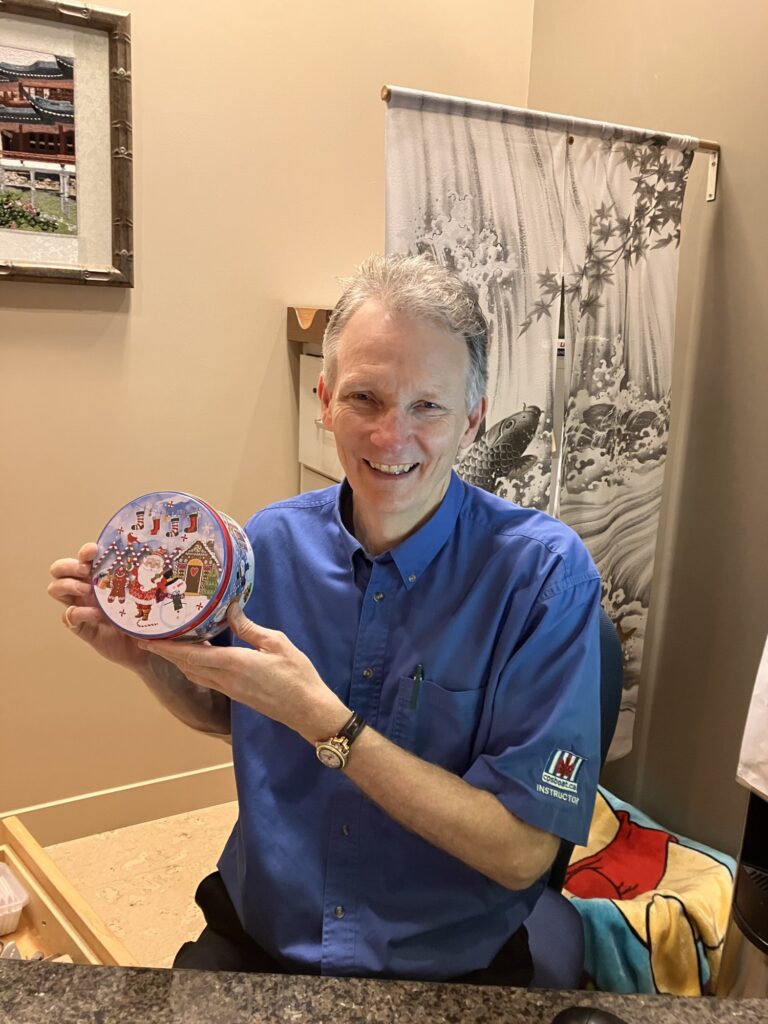
But don’t give up cookies!
Be Well,
Ward Willison R.Ac.
allbodycare.com
Kelowna Acupuncture & Other Natural Therapies
This article was inspired by David Conti, a New Hampshire-based financial writer, and Retirement Coach at RetireMentors,